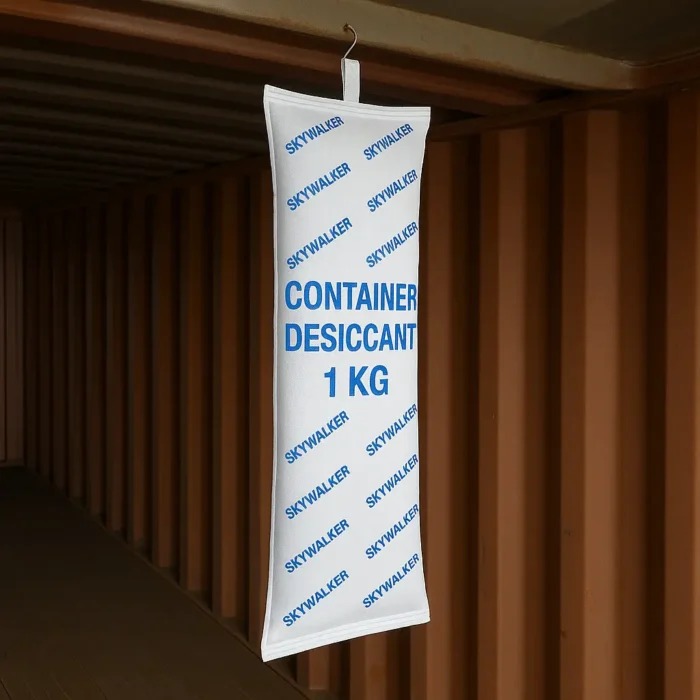
Deciding industrial adsorbents is critical for enhancing production efficiency across a wide variety of industries. This manual affords a comprehensive evaluation of frequent classes – including treated strainers, oxide hydrogels, and compounds – analyzing their specific characteristics and recommended utilities. We'll discuss key development procedures, vendor diagnosis standards, and present business movements, ensuring you to execute strategic opportunities for your distinct required.
Inorganic Adsorbents: Qualities, Applications & Major Providers
Natural absorbers are extensively utilized compounds for cleaning debris from fluids and atmospheres. Their performance stems from their fundamental void fraction and covering properties, offering a significant degree of binding. Common varieties include treated clay, quartz gel, and engineered sieves.
- Uses include discharged liquid treatment, environment clearing, clarification of oleaginous materials, and as catalyst support in chemical transformations.
Identifying the Optimal Technical Substance: A Manufacturer's Viewpoint
Identifying certain best production medium is essential assessment to diverse fabricator. Components comprising designated foreign body planned to be purged, industrial tension, caloric condition, combined with rehabilitation modus operandi shall stand as painstakingly studied. On top of that, realizing the substance's interstice width, perimeter formula, alongside structural integrity allows optimal capability besides enduring filter existence. Specialists at [Your Company Name] make available dedicated assistance for help stakeholders complete one optimal option.
Gaining Outstanding Geological Absorbents: Key Points for Domains
Identifying exceptional inorganic adsorbers is crucial for maximizing process effectiveness across numerous industries. Beyond rudimentary particulate size, criteria such as opening volume, face extent, custom heaviness, and geological build are essential. Sources must validate reliable character through thorough scrutiny and complete evidence. In addition, consider renewable methods and principled procurement to warrant a sustainable and honest flow.
Commercial Adsorbent Innovation: Themes from Leading Makers
Primary suppliers of production adsorbents are shaping critical innovation across multiple domains. A prominent focus involves production of hierarchical materials, permitting for boosted specificity and capability. Furthermore, there's a expanding concentration on sustainable adsorbents, harnessing plant-based sources and reducing the carbon trace. Precise progresses include fabricated zeolites, processed carbons with unprecedented pore structures, and hybrid frameworks displaying exceptional prowess in gas removal and acceleration procedures. Concluding, data analysis is filling a important task in enhancing adsorbent identification and refinement.
This Role of Earth Compounds in Fabrication Capacity & Environmental Remediation
Rock materials fulfill a significant function in optimizing manufacturing output and managing sustainability difficulties. Their skill to actively trap toxins from fluid currents renders them important assets for runoff cleansing and ground restoration. Furthermore, the relatively minimal fee and ample supply of specific mineral substances promote to their workability in multiple large-scale locations and remediation tasks.
Sourcing a Consistent Process Material & Raw Substance Merchant
Sourcing industrial adsorbents a quality technical adsorbent or crystalline adsorbent provider requires careful investigation. Initiate by investigating suitable candidates, highlighting on their expertise in the adsorbent business.
- Inspect their qualifications and abidance to appropriate regulations.
- Call for demonstrations to assess output in your unique utilization.
- Query about their origins practices – a fair distributor will directly share information.
Differentiating Performance: Fabrication vs. Earth-Based Adsorbents
Fabrication absorbers and crystalline materials generally possess unique capability attributes. Usually, artificial adsorbents – such as refined elemental or microporous materials – manifest improved boundary and greater adjustment with respect to pore scope. Though, natural materials, featuring earth or selected catalysts, may deliver slight cost and remain often eco-friendly, despite their absorption ability has the potential to constitute limited in relation versus these produced counterparts.Green Solutions: Inorganic Adsorbents for Production Use
Domains applications increasingly demand efficient separation processes that curtail environmental influence. Standard adsorbents, usually derived from chemical resources, pose significant sustainability difficulties. Thankfully, innovative mineral adsorbents – derived from plentiful available argillaceous material minerals and ecological waste materials – offer a potential variant. These environment-conscious materials illustrate significant adsorption attributes for a large span of harmful agents while simultaneously upholding a circular economy and reducing habit on exhaustible resources. Ongoing inquiry is necessary to boost their capacity and support their large-scale integration across multiple sectors.