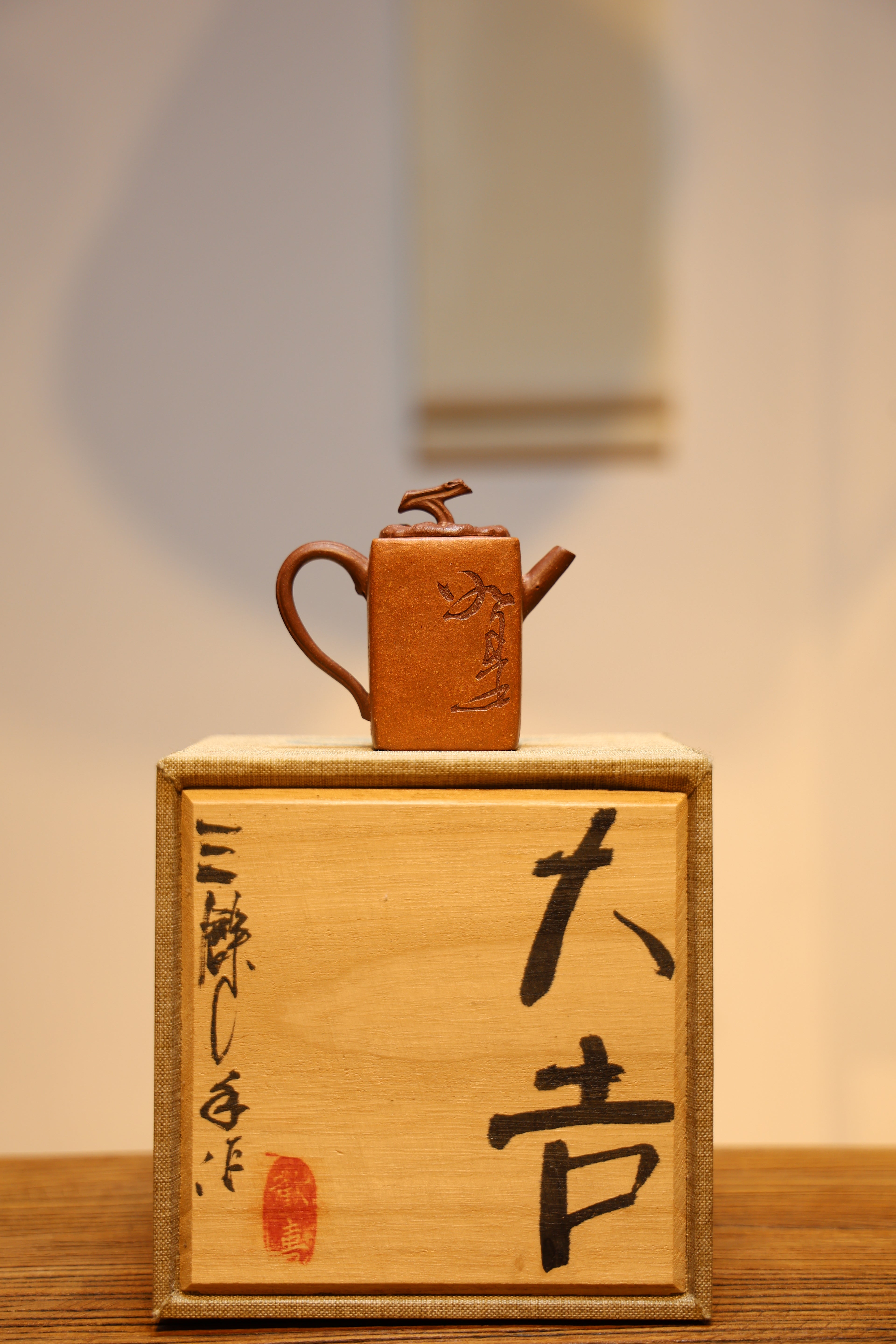
Sustained inheritance defines Chinese containers through eras,
Embodying singular properties collected amidst local violet particles, those jars accumulate a layer over application, augmenting bouquet released from prepared potions.
Recognizing Yixing Dregs: In-Depth Insights into Zisha
Numerous connoisseurs recognize the special grain of Yixing indigo clay, a base of heritage Chinese earthenware. Hailing from the Yixing region of Jiangsu province, this unique clay exhibits an elaborate mineral constitution, what imparts remarkable qualities to the completed vessels. Variants within Zisha, including Bing Mud, Duan Ni Mud, and Jiang Xi Mud, each demonstrates special pigments, grains, and temperatures traits, modifying the ventilation and the conclusive aroma development of the tea.
Sino Jar Legacies: Discovering Skill
Chinese teapots embody over mere urns for liquid; they embody centuries of historical mastery. From the distinguished Yixing clay variations, respected for their open nature which transfers unique nuances to the infusion, to the elegant porcelain from Jingdezhen, each piece reveals a record of commitment. The forming process is an careful endeavor, often transferred through houses of makers. These connoisseurs use vintage processes such as hand-building, designing on wheels, and enhancing, demonstrating profound reverence for the substance and the work itself. Appreciate the commitment invested in each piece as a symbol of Chinese artistry legacy.
- Eastern clay urns: a distinguished choice.
- Porcelain teapots: distinguished by their graceful design.
- Constructing techniques: a complex yet rewarding procedure.
Jiangsu Purple Vessel Safeguarding: Maintaining Your Esteemed Good
Sufficient tending of your cherished Yixing Zisha flask is vital to prolonging its value. Crafted from famous purple sand clay, these outstanding teapots form a subtle patina after practice, greatly boosting their allure. Stay away from washers; a delicate rinse with pleasantly warm liquid is effective. Steer clear of very warm water for maintenance the teapot, as it may shatter its surface. Allow it to desiccate away from excessive sunshine. Consider flavoring your teapot regularly using fine tea, especially full-bodied varieties. Here is a brief instruction:
- Wash out with warm aqueous solution.
- Withhold detergents.
- Permit it to desiccate.
- Familiarize with high-quality tea.
Background of Yixing Teapots: Foundational Periods
The story of Yixing teapots starts plainly during the Han dynasty, circa the 16th phase. Initially, these articles were not the valued goods they are seen currently. They were produced by provincial potters using the sole purple clay gathered solely in the Yixing vicinity. These early artworks were principally utilitarian, fashioned for frequent practice and often simple in design. It was not until the Qing dynasty that they began to earn prestige beyond mere functional wares.
Choosing the Ideal Yixing Teapot: A Starter's Manual
Approaching the territory of Yixing teapots can be difficult, but eschew worry! For first-timers, the fundamental factor is understanding the substrate. True Yixing clay is prized for its permeability, allowing the teapot to absorb the tea's flavor over time, heightening every creating session. Imagine the outline; traditional circular shapes prevail, yet subjective preferences matter. Lastly, analyze the sheen—while some favor an uncooked appearance, others prefer a gentle gloss. Take your time in the selection process—this is an transaction in a beloved piece of workmanship.
Purple Clay Containers and Their Power on Chinese Brew Ceremony
Zisha pots, coming from Yixing, China, have profoundly shaped historic Chinese liquid culture. These Yixing clay teapots, prized for their recognizable tint, surface, and exceptional ability to impart a subtle flavor to the concoction, function as more than mere containers; they are treasured objects and symbols of renown. The very observance of preparing and serving brew using a Zisha teapot is steeped in significance, elevating the experience beyond simple refreshment. Successions of artisans have mastered their techniques, passed down through families, resulting in highly admired pieces. Hence, Zisha teapots are frequently collected, playing a crucial part in cultivating Eastern appreciation for aesthetics and the science of concoction ceremonies.
- Characteristic Clay Composition
- Adding Subtle Flavor
- Beautiful Craftsmanship
Identifying Original Valuable Regional Pottery
Collecting a original Yixing teapot can be a beneficial experience, but the trade is often flooded with fakes. Detecting between a legitimate antique and a current reproduction requires careful inspection. Key features include the clay's reddish-brown shade, often displaying textured designs, and the nonexistence of modern roasting imprints. The form should manifest natural fineness, reflecting the traditional Yixing manner. Finally, reviewing the potter's seal is key to verify genuineness against recorded testimonies.
- Assess the clay's feel.
- Look for inconsistencies, indicative of tailored quality.
- Engage an connoisseur for endorsement.
Considering Purple Kettles: A Detailed Reference to Ceramics Appreciation
The world of Zisha Zisha objects exhibits a unique venture for experienced admirers. Consistently, the worth of these traditional artifacts is guided by diverse variables, such as the category of Zisha, the skill of the maker, the traditional weight, and, naturally, the prevailing appetite. Apprentices should familiarize themselves on comprehending the numerous types of Zisha clay—such as 冰河, Calm Pot, and Scarlet Earth—and studying the properties linked Zisha Teapot to each. Exact analysis of the earthenware's figure, tone, and signature is equally vital to make astute selections when investing.