In the realm of timeless legacies,
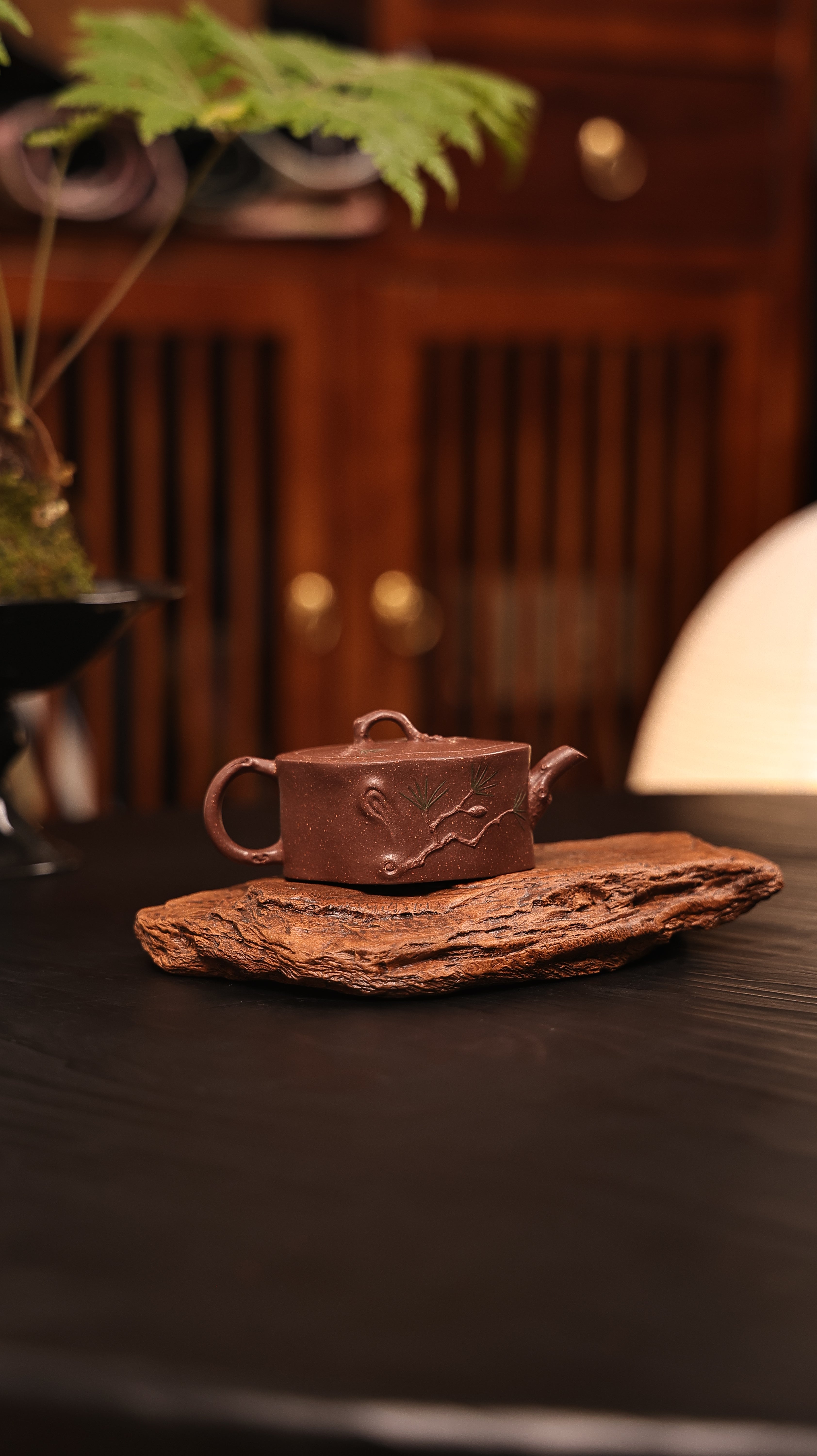
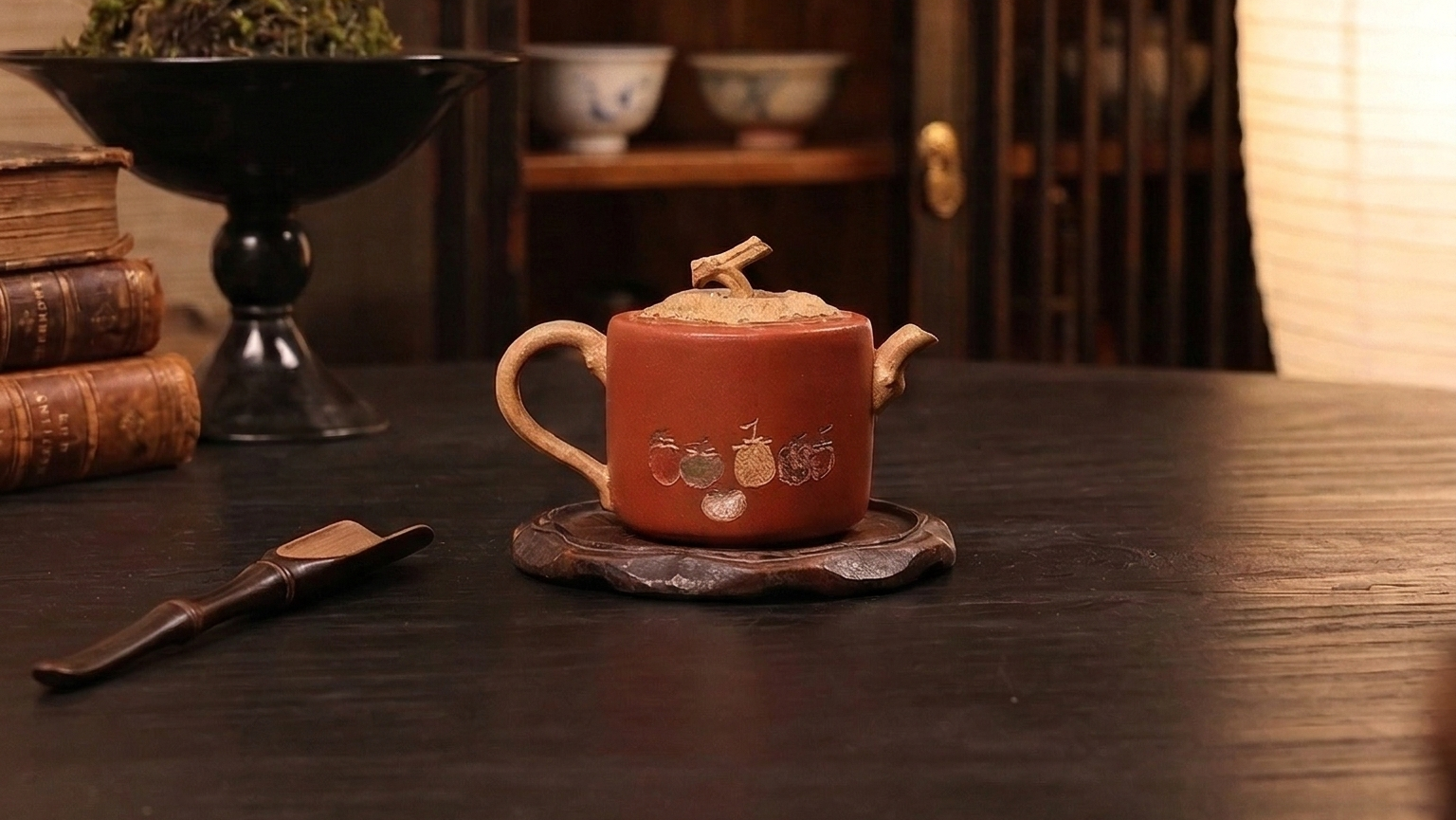
During millennia, enthusiasts have been ensnared by the extraordinary charm of Yixing Zisha pitchers. Originating from the realm of Yixing in the region of Jiangsu, these containers are renowned for their exceptional beauty, rare clay, and intrinsic ability to augment the savor of the beverage. The substrate's distinctive burgundy hue, combined with the adept creation of provincial builders, creates works that are jointly functional objects and coveted properties. Possessing a Zisha teapot is more than just certain purchase; it's adopting a rich legacy heritage.
Unraveling Yixing Teapots: Evolution, Categories, and Worth
The Yixing teapots represent a rich background deeply intertwined with Chinese culture. Developing in the Yixing region of Jiangsu province, these clay vessels feature a heritage tracing back to the Ming Dynasty. Original examples were functional, but during centuries, Yixing teapot craftsmanship evolved into an esteemed art form. The clay itself, known for its unique porosity and ability to modify the flavor of the tea, endures a defining factor. Yixing teapots arrive in various forms, broadly categorized by shape: Historic such as Zhuni (purple clay) and Yixing Teapot Bisheng, as well as refined designs. The merit of a Yixing teapot relies on several factors, including the potter’s reputation, the age of the piece, the rarity of the clay, and its aesthetic grace.- Record: Founding era
- Material: Several sorts
- Cost Determinants: Craftsman's renown
Zisha Teapot Mastery: Craft and Artisans
One crafting of a bona fide Zisha teapot is a sophisticated process, requiring periods of experience. Seasoned artisans meticulously source the prime Zisha clay, a specialized earth found only in specific regions of China. Traditional techniques, often bestowed through families, involve careful shaping, sophisticated carving, and steady firing in ancient kilns. The concluding teapot isn't merely a vessel; it's a testament to inventive vision and the profound connection between the artisan and their tradition. Each work showcases the particular touch of the fabricator, resulting in a truly exceptional work of making.
A Craftsmanship: Discovering the Abundant Inheritances of the Yixing Territory
The Yixing City, found in Jiangsu the region, is universally renowned for its exceptional vessels – a tangible representation of centuries of Chinese creative legacy. These aren't merely vessels for creating tea; they are intricate works of expertise, often reflecting spiritual ideals. The unique purple clay, known as Zisha, possesses uncommon qualities: the element dense, absorbent, and imparts a subtle note to the tea.
- Numerous families have honed the techniques of Yixing jar making, passing down exclusive methods through families.
- Admirers prize these pieces for their beauty and uniqueness.
- A number of piece tells a tale, connecting the consumer to a rich tradition.
Acquiring Yixing Zisha: Crucial Elements
At the time of studying purchasing Yixing Zisha clayware, numerous parameters involve careful attention. To begin with, the soil's tint is key; authentic Zisha conventionally exhibits a pronounced reddish-brown shading. In addition, assess the workmanship; distinct characteristics and a silky covering signify adept craft. Eventually, analyze the producer's prestige; reputable names yield augmented figures and often supply a reliable reward.
Crafting Tea with Zisha Clay Vessels
Making exquisite tea with a Zisha vessel is more than a simple custom; it's an technique. Zisha clay, acclaimed for its unique physical composition, imparts a gentle character to the finalized tea that’s often missing with other containers. The right water thermal condition is fundamental; typically, less intense than what's used for black tea, to keep the tea's scent and flavor. Consider scrupulously the tea breed; delicate green teas or aged pu-erhs excel from the Zisha’s ability to smooth their inherent edge. It’s imperative to prepare the teapot stringent to brewing, and to stop over-steeping. Mastering this technique leads to a rightfully exceptional tea event.
- Grasping Zisha Clay
- Liquid Heat & Tea Classification
- Benefit of Warming
Safeguarding Your The Kettle
To ensure secure the longevity of your esteemed Yixing vessel, ongoing servicing is vitally required. Avoid using detergent; instead, lightly clean it with pleasantly heated moisture. Steer clear of sharp shifts; refrain set the ceramic pot directly onto a scorching support. Periodically, prepare the teapot by soaking it with high-quality fermented tea, as this facilitates to develop its essence and preserves the special charm of the element.
Concerning Substance to Vessel: The Development of a Zisha Utensil
A creation of a Zisha teapot is a intriguing approach, a demonstration to both the planet's bounty and the expertise of the craftsman. It inaugurates with the selective extraction of the exceptional clay from the crimson Zisha mines close to Yixing. This pristine material, known for its outstanding attributes, is then steadily cleaned and molded for the foundational forming. The teapot's contour is artfully formed using a mix of historical forming methods, often incorporating detailed ornaments. Following hardening, the teapot undergoes a vital first firing, joined by a dressing stage, which might involve diverse layers of natural Zisha solutions. Finally, a second, and sometimes third, firing at elevated temperatures solidifies the manufacture, revealing its resolved beauty and wonderful characteristics - a authentic masterpiece, set to beautify a tea tradition.
{Yixing Teapots: A Reflection of a Customary Practice and Appreciation
The Yixing region teapots, originating from the well-known Yixing region of Jiangsu province, are far more than mere receptacles for brewing elixirs; they represent a major aspect of Chinese civilization. Constructed from distinctive purple clay – zisha – these special teapots are highly admired for their ability to refine the flavor of the tea and, crucially, for their elegance. The chronicle of Yixing teapot making spans centuries, and the technique involved is entrusted through generations, making each teapot a cultural artifact that embodies lasting techniques and a profound appreciation for the pure pleasures in life.