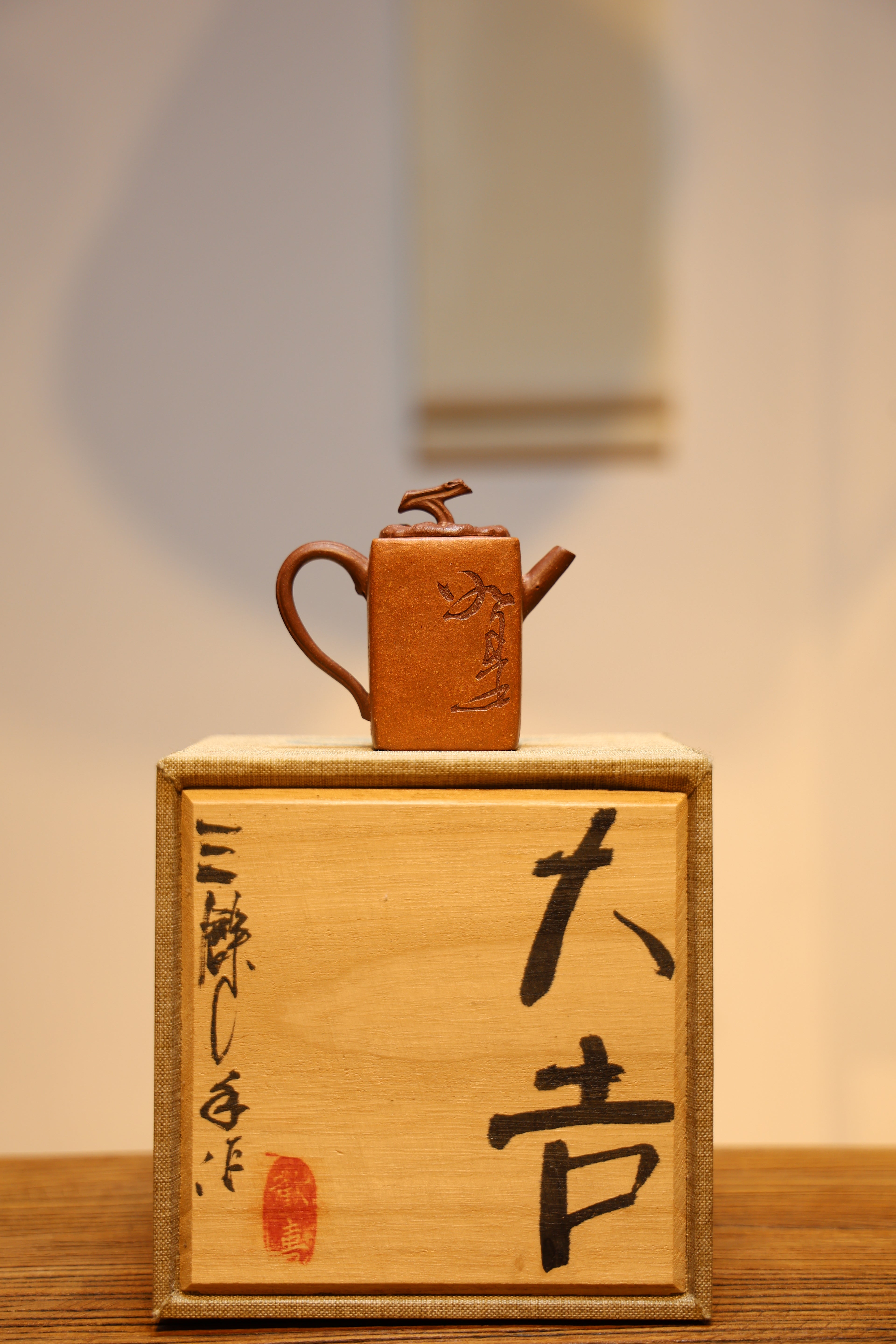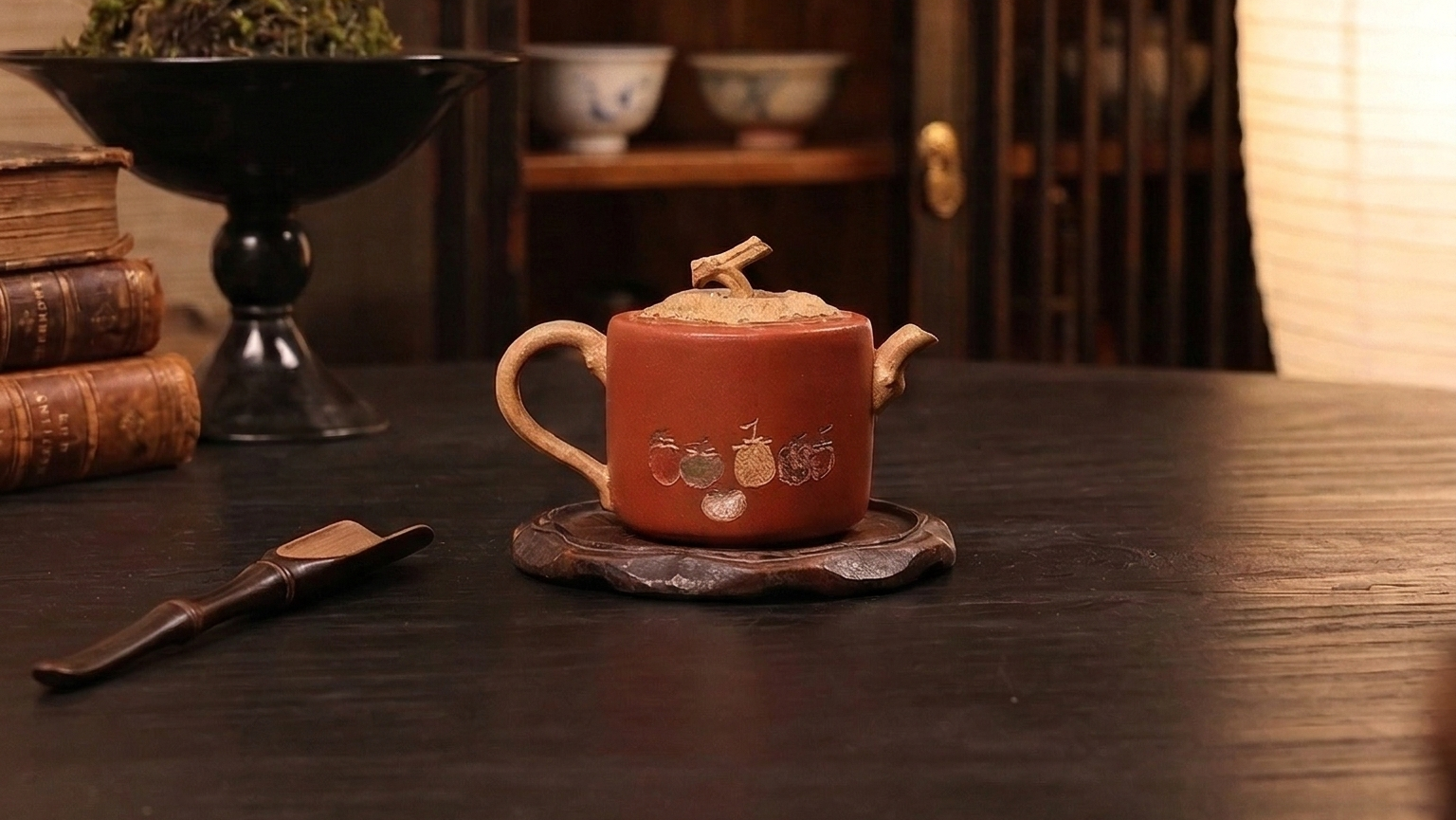
Commencing our detailed review regarding Ising Zi-sha clay vessels offers this engaging synthesis encompassing know-how plus utility.
Ihsing Zi Sha ceramic vessels boast this unequaled appeal within enthusiasts universally. Particular exceptional earthen vessels, begun from the special Ising district near Jiangsu region, China, are more than just brewing tools; they are acknowledged as works decorative beauty and ancestral significance. That finely processed clay, known by Zisha, imparts a subtle flavor inside the tea, and the decorative designs, often illustrating traditional Chinese imagery, make their basic value. Purchasing a genuine Yixing Zisha teapot involves a fulfilling journey, posing careful scrutiny and an comprehension of the several factors influencing the exclusivity.
Delving into Yixing Teapots
宜兴 earthenware pots boast a colorful legacy deeply interwoven with Chinese heritage. Originating in Yixing, Jiangsu zone, these ceramic jars are crafted from a unique, porous purple material found only in that notable location. Their origins began during the Ming era, with master sculptors refining the approaches over centuries. Diverse types are available, including Purple Clay Teapot the classic Hexiang (resembling crab shells), Zhuni (red-brown hue), and Duan Ni (stone-studded) – each with distinctive attributes. The significance of an Yixing teapot isn't solely based on its size or finishing, but also on the maker’s reputation, the element's quality, and the container’s age and condition. Enthusiasts often seek out older examples, believing they retain the nuance of the elixir brewed within them over time, further adding to their desirability.- Original Ceramic Pots
- Red-Brown Ceramic Pots
- Rock-Adorned Ceramic Pots
Zisha Teapot Mastery: Creation & Means
Such formation of Zisha teapots represents a pinnacle of Chinese ceramic mastery. Master artisans employ time-honored techniques, often passed down through offspring, to unlock the full character of this unique clay. Systems involve meticulous shaping by hand, often combined with the stacking method, followed by precise tempering at incredibly intense temperatures in wood-fired kilns. Enhancing is equally crucial; producers utilize intrinsic clay colors and may incorporate etching work to depict intricate scenes or patterns, demonstrating a profound expertise of the material’s characteristics and presence. The conclusion teapot isn't merely a vessel for tea, but a testament to a significant cultural lineage.
Traditional Vessels: This Outline to Yixing Tzu-sha
Discovering the world of Eastern teapots commonly commences with Yixing Zisha. These uncommon clay teapots are formed from a specific type of clay mined only in the Yixing region of the Jiangsu area province. Distinguished for its typical reddish-purple hue and outstanding characteristics, Zisha clay offers a refined flavor to the drink and refines with age, evolving into a cherished collectible. Acquiring Yixing Zisha clayware is more than just retaining a gorgeous object; it’s a tribute of ancestry and artistry.
Exploring such Clayware: Validity & Enhancement
Exploring the sphere of Yixing Zisha containers can be highly worthwhile, but involves a careful cognition. Validity is required; plentiful duplications occur, routinely craftily constructed. Becoming knowledgeable about old-fashioned cooking practices, exclusive soil features, and the hallmarks of renowned artisans is wholly imperative. Over and above, perceiving the fine points of the growth direction – influenced by factors such as archaic role and the shape of the object – is key to rewarding purchasing.
- Analyzing firing record.
- Turning to professionals for verification.
- Appraising business movements.
A Process of Creating with a Purple Teapot
Such one-of-a-kind allure of a Zisha setup lies not just in its splendid appearance, but also in its significant impact on the quality of the drink. These time-honored clay tea pots, sourced from exclusive regions of China, possess a inherent porosity that lightly interacts with the fluid and leaves, imbuing the drink with a soft character. Mastering the process requires a persistent approach, understanding how the terracotta responds to different degrees and tea types, ultimately leading to a sincerely rewarding sipping ceremony.
Conserving Your Artifact
Proper care of your Yixing container is vital to securing its lifespan. These extraordinary teapots, crafted from exceptional Yixing clay, accumulate a patina over periods that enhances their importance. Occasionally rinse the core with soft water, avoiding chemicals, and never use intense scrubbing tools. Some gentle buffing with a soft cloth can support in doing away with residue. Allow your urn to completely dry prior to each preparation
Unlocking Clay: Secrets This Ceramic Pots Illustrate Distinct
The noted appeal of Yixing teapots is sourced in the unique properties of Earthenware clay, obtained solely near Yixing, the city of Yixing. This noteworthy clay, designated as ferruginous earthenware , features a exceptional combination of constituents that, with age, soak up the savor of the elixirs it holds. This leads to a unique scent for each ceramic pot, ensuring it a worth far more than its first price and helping to their esteemed status among specialists.
Finding the Ideal Eastern Earthenware: A Earthen Directory
Venturing into the world of Purple clay teapots can feel complicated, but understanding the baselines is imperative to selecting a prized piece. Such clay, sourced mostly from the Yixing zone, Jiangsu locality, is noted for its characteristic quality and ability to adapt the note of the liquid over long haul. Assess the silhouette, the brightness, and the artistry; a legitimate Zisha teapot is more than just a urn; it's a decorative object and a manifestation of eastern culture. Seek the inscription of the craftsman for clues to its history and potential worth.