How Streetwear Brands Can Develop Football Jerseys That Feel More Fashion-Led Than Teamwear
The continued heat surrounding football jerseys is no longer just about match-day culture or sports nostalgia. It is fundamentally because the football jersey has entered a much broader fashion and lifestyle context. For modern streetwear brands, the question is no longer whether to include a jersey in the upcoming collection. The real challenge is how to ensure the final product feels like a carefully considered fashion item rather than a generic piece of teamwear.
When a brand decides to develop a football-inspired top, the manufacturing approach must shift. Producing a standard sports T-shirt relies on performance metrics—moisture wicking, high elasticity, and athletic mobility. In contrast, developing a fashion-led jersey requires a deep understanding of silhouette, fabric drape, complex panel construction, and cultural visual language. The goal is not to create something to play in, but to create a garment that integrates seamlessly with denim, layered outerwear, and contemporary streetwear proportions.
Why Football Jerseys Now Sit Between Sportswear, Streetwear, and Fashion
To understand how to develop a better product, brands must first understand where the football jersey currently sits in the market hierarchy. The category has fractured into three distinct directions, each requiring a different manufacturing logic.
Teamwear is entirely function-driven. Its primary purpose is athletic performance. The fit is generally close to the body to prevent grabbing during play, the materials are lightweight synthetics designed for sweat management, and the construction is straightforward to keep costs low for bulk team orders.
Streetwear jerseys, however, are evaluated on styling potential, graphic attitude, and cultural referencing. The focus shifts toward how the garment interacts with other streetwear staples. The graphics are often bolder, drawing inspiration from skate culture, hip-hop, or vintage music merchandise rather than traditional sports sponsors.
Fashion-led jerseys take this evolution further. They are scrutinized for their architectural proportions, sophisticated collar designs, intricate panel layouts, and refined color palettes. A fashion-led jersey is designed with everyday wearability in mind. It must possess the structural integrity to hold its shape when layered and the material quality to justify a premium retail price. The distinction lies in the deliberate design choices that elevate the garment from a novelty sports reference to a core wardrobe component.
What Separates a Fashion-Led Football Jersey From a Standard Teamwear Jersey
The difference between a basic replica and a premium streetwear piece is not just the logo printed on the chest. It is a combination of structural and material decisions that fundamentally alter how the garment wears and feels.
Fit and Proportion
Standard teamwear fits are designed for athletic movement, often resulting in a slim, elongated torso. A fashion-led jersey breaks these rules. The fit must be intentionally manipulated—whether that means creating a significantly looser, oversized drape, shortening the body length for a cropped silhouette, or engineering a boxy cut that provides ample room for layering over heavyweight hoodies or thermal long sleeves.
Collar Construction
The collar is one of the most immediate indicators of a jersey's intended context. Basic crew necks scream "promotional T-shirt." Fashion-led jerseys often utilize complex collar structures, such as heavy ribbed V-necks, contrast polo collars, or retro plackets with hidden hardware. These details frame the face differently and signal a higher level of design investment.
Panel Layout
In teamwear, panels are often designed for breathability, utilizing mesh inserts in high-sweat zones. In a fashion context, panel construction serves an aesthetic purpose. The placement of side panels, shoulder yokes, and contrasting color blocks dictates the visual geometry of the shirt. A well-designed panel layout can make a jersey feel like a structured piece of outerwear rather than a flimsy athletic top.
Material Handfeel
While 100% lightweight polyester is standard for sports, fashion jerseys often require materials with more substance. Brands might opt for heavier gauge knits, jacquard fabrics with subtle tonal patterns, or even cotton-blend jerseys that offer a more matte, lifestyle-appropriate finish. The fabric must drape well without clinging, maintaining the intended silhouette.
Graphic Application
Teamwear relies heavily on basic sublimation or simple screen printing for numbers and sponsors. A premium streetwear jersey utilizes a hierarchy of graphic techniques. This might involve combining high-density embroidery for the crest, a textured puff print for the central graphic, and a faded screen print for back detailing. The graphics are not just applied; they are integrated into the garment's overall texture.
How Fit Direction Changes the Product
Choosing the right fit is the most critical step in the development process. The silhouette determines the entire mood of the garment and dictates how the consumer will style it.
Each fit direction requires specific patternmaking adjustments. A manufacturer that only understands standard sizing grading will struggle to execute a proper boxy or oversized fit, often just making the garment wider without adjusting the armholes or neckline appropriately.
How Collar Shape, Sleeve Length, and Panel Construction Affect the Final Look
The structural details of a jersey are where the true craftsmanship is revealed. These elements dictate whether the garment feels like an authentic homage to football culture or a cheap imitation.
Collar variations drastically alter the perceived era and formality of the jersey. A deep, heavy-ribbed V-neck evokes the classic kits of the 1980s and provides a relaxed, open neckline suitable for casual wear. A contrast polo collar adds a layer of sartorial structure, making the jersey feel slightly more formal and allowing it to sit well under a jacket. A retro placket, perhaps with a single button or a lace-up detail, pushes the garment firmly into heritage territory.
Sleeve length and cuff finishing are equally important. Standard short sleeves often look too athletic. Extending the sleeve length to sit just above the elbow, combined with a wider opening, creates a more relaxed, skate-inspired look. Conversely, a long-sleeve jersey with a tight, contrasting ribbed cuff offers a distinct 90s nostalgia and provides excellent layering potential.
Panel construction is the architecture of the jersey. The way the front and back panels meet, the inclusion of side gussets, and the angle of the shoulder seams determine how the garment drapes over the body. Intentional color-blocking through cut-and-sew panels—rather than just printing colors onto a single piece of fabric—creates a premium, three-dimensional quality that cannot be faked.
What Graphics and Surface Details Make a Jersey Feel More Fashion-Led
The application of graphics on a fashion jersey requires restraint and an understanding of material interplay. The goal is not to mimic a billboard, but to create a cohesive visual narrative.
The hierarchy of embellishment is crucial. The crest or badge should feel substantial. While a flat heat transfer might suffice for teamwear, a fashion jersey benefits from a woven patch, a silicone badge, or direct high-density embroidery. This provides a tactile focal point.
Different printing techniques yield entirely different aesthetic results. Screen printing, particularly with specialized inks that crack or fade slightly over time, offers an authentic vintage feel. Heat transfers provide sharp, clean edges suitable for modern, technical designs. Sublimation allows for all-over patterns but can sometimes result in a shiny, synthetic look if not applied to the right fabric base.
Placement and negative space are often overlooked. A jersey entirely covered in graphics feels chaotic and overly sporty. A fashion-led approach involves strategic blank space, allowing the fabric and the silhouette to speak. The typography used for numbers and names must also align with the brand's identity—whether that means utilizing sharp, aggressive gothic fonts or clean, modernist sans-serifs, rather than default athletic block lettering.
What Clothing Brands Should Ask a Jersey Manufacturer Before Development Starts
Developing a complex garment requires a manufacturing partner capable of executing beyond basic instructions. Before initiating a jersey project, brands must ask targeted questions to assess the factory's true capabilities.
Are your patterns based on teamwear logic or lifestyle streetwear logic? This determines whether the factory understands how to grade an oversized or boxy fit correctly.
2.Which fabric options offer a matte, lifestyle-appropriate handfeel rather than a high-gloss athletic finish? The manufacturer should be able to suggest heavier knits or jacquards that elevate the garment.
3.Is this specific collar and panel design compatible with a boxy streetwear proportion? A good partner will identify structural conflicts before sampling begins.
4.Based on this graphic design, do you recommend embroidery, screen printing, or a combination, and how will it affect the fabric's drape? Heavy embroidery on thin fabric causes puckering; the factory must anticipate this.
5.If we want to achieve a specific retro football mood, which structural details (like ribbing width or cuff style) should we define first? The factory should guide the technical execution of the creative vision.
Finding a manufacturer that understands these nuances is critical. For instance, Streetwear Football Jerseys manufacturer Groovecolor operates with a deep understanding of subcultural visual language. Their approach involves front-end risk recognition—assessing whether a pattern ratio supports the intended style or if a process combination is controllable in bulk—ensuring that the final product aligns with the brand's aesthetic intent.
How to Decide Whether the Jersey Should Feel Retro, Technical, or Lifestyle-Oriented
Brands must define a clear direction before development. Attempting to blend too many aesthetics usually results in a confused product.
A retro direction relies heavily on historical cues. This means prioritizing specific collar shapes (like thick V-necks or polo collars), utilizing era-appropriate color palettes, employing specific numbering typography, and ensuring a generous, relaxed fit. The fabric might feature a subtle jacquard pattern to mimic 90s materials.
A technical direction leans into modern sportswear aesthetics but subverts them for fashion. This involves sharp, ergonomic cut lines, complex paneling, the use of advanced synthetic blends with unique textures, and clean, high-definition graphic applications like silicone transfers. The fit might be slightly more structured and architectural.
A lifestyle direction focuses entirely on everyday wearability and seamless integration with other wardrobe pieces. This direction demands a high degree of graphic restraint, prioritizing the handfeel of the fabric and the perfection of the drape. The branding is often subtle, and the colorways are more muted or tonal, allowing the jersey to function almost like a premium knitwear piece.
Common Mistakes Brands Make With Football-Inspired Jerseys
The transition from concept to physical product is fraught with potential missteps. Many brands fail because they do not adjust their development process for this specific category.
A primary mistake is relying solely on sports image archives for reference without considering how the garment will be styled in a contemporary fashion context. A jersey that looks great on a pitch in 1994 might look awkward when worn with modern wide-leg trousers if the proportions are not updated.
Another frequent error is defaulting to a standard teamwear fit. If the silhouette does not reflect current streetwear trends, the garment will immediately feel outdated and promotional, regardless of the graphics applied.
Over-designing the graphic layout is also common. Brands sometimes feel compelled to fill every available space with logos and numbers, resulting in a product that looks like cheap merchandise rather than a curated fashion item.
Selecting the wrong material is a fatal flaw. Using a highly elastic, shiny polyester meant for active sports instantly strips the garment of its lifestyle appeal. The fabric must possess the weight and texture appropriate for daily wear.
Finally, failing to define the specific direction—retro, technical, or lifestyle—before beginning development leads to a disjointed product. A jersey with a vintage collar but hyper-modern silicone graphics and a slim athletic fit will confuse the consumer and dilute the brand's message.
Final Takeaway
The opportunity in the football jersey market does not lie in simply producing another sports shirt. The true value is found in successfully translating the visual language of football into the context of everyday fashion. For streetwear brands, this means approaching the jersey as a complex cut-and-sew project, demanding the same level of design rigor and manufacturing expertise as any other premium garment.
The success of this endeavor relies heavily on the chosen supply chain. The manufacturer must understand not just the mechanics of sewing a shirt, but the cultural and aesthetic nuances that separate a Jerseys t shirt manufacturer focused on teamwear from one capable of executing high-end streetwear. The ability to maintain sample-to-bulk consistency, execute complex multi-process embellishments, and provide strategic guidance on fabric and fit is what distinguishes top-tier streetwear clothing manufacturers from generic factories. When the design intent is perfectly matched with capable manufacturing, the football jersey transcends its origins and becomes a defining piece of modern fashion.
Top T-Shirt Manufacturers for 2026 | A Better Shortlist for Streetwear Brands Developing Custom Tees
The streetwear T-shirt is often misunderstood by traditional apparel factories as a basic, entry-level commodity. However, for category analysts and sourcing advisors deeply embedded in the fashion supply chain, the streetwear tee is anything but a standard blank. It is a highly engineered garment where the true difficulty lies not in simple assembly, but in mastering the silhouette, fabric weight, collar construction, shoulder drop, and the holistic aesthetic after complex washing and printing processes.
When a brand transitions from printing on wholesale blanks to developing custom cut-and-sew programs, the choice of a manufacturing partner becomes a critical risk management decision. A factory that excels at producing standard promotional tees will almost certainly fail when tasked with executing a 300gsm oversized fit with an acid wash and a cracked screen print. This comprehensive guide is designed specifically for clothing brands seeking specialized manufacturing partners for their streetwear T-shirt programs in 2026. By evaluating technical capabilities, production infrastructure, and category-specific expertise, we provide a definitive shortlist to help you navigate the complex landscape of global apparel sourcing.
Why Streetwear T-Shirts Are Harder to Manufacture Than They Look
To the untrained eye, a T-shirt is just two pieces of fabric sewn together. In the streetwear sector, however, the T-shirt serves as the foundational canvas for a brand's entire visual identity. The manufacturing logic required to produce these garments involves a deep understanding of structural engineering and textile behavior.
The Development Logic of 180–400gsm Fabrics
Fabric weight fundamentally alters how a garment drapes, breathes, and interacts with embellishments. Traditional factories are accustomed to working with 130–160gsm combed cotton, which is lightweight and forgiving. Streetwear, conversely, demands a broader spectrum, typically ranging from 180gsm for fluid, draped fits to 400gsm for rigid, architectural silhouettes. Developing a 350gsm heavyweight tee requires entirely different needle sizes, thread tensions, and cutting techniques. If a factory applies standard lightweight manufacturing logic to heavyweight cotton, the result is often puckered seams, distorted hems, and a stiff, uncomfortable wearing experience.
Structural Differences: Boxy, Oversized, and Cropped
The geometry of a streetwear T-shirt is highly specific. An oversized fit is not simply a standard pattern graded up two sizes; it requires a complete recalibration of the armhole depth, chest width, and body length to ensure the garment drapes intentionally rather than looking sloppy. Similarly, a boxy fit demands a wider chest-to-length ratio, while cropped silhouettes require precise hem balancing to prevent the fabric from flaring out awkwardly. Factories lacking experienced patternmakers often struggle to translate these nuanced design intents into scalable production patterns.
The Importance of Rib Collar, Shoulder Drop, and Hem Balance
The details dictate the premium feel of the garment. A high-quality streetwear tee requires a robust rib collar—often 1x1 or 2x1 construction with high-density spandex—that retains its shape after multiple washes. The shoulder drop must be calculated precisely so the seam sits cleanly on the upper arm without creating an unsightly peak. Furthermore, the hem balance is critical; heavyweight fabrics are prone to twisting (torquing) after washing if the fabric grain is not aligned perfectly during the cutting phase.
How Graphic Placement Affects the Garment's Aura
In streetwear, the graphic is not merely an addition; it is integrated into the garment's architecture. The placement, scale, and texture of a print interact directly with the fabric's drape. A massive, heavy plastisol print on a lightweight fabric will cause the chest to collapse, while a delicate DTG print on a heavily textured vintage wash might lose its definition. Manufacturers must possess the technical foresight to advise on the print-hand relationship, ensuring the embellishment enhances rather than compromises the garment's overall aura.
How We Evaluated These T-Shirt Manufacturers
As sourcing advisors, our evaluation framework moves beyond marketing claims to assess the actual production floor realities. To identify the top manufacturing partners for 2026, we applied a rigorous set of criteria tailored specifically to the needs of streetwear brands.
True Cut-and-Sew Capabilities
We immediately disqualified vendors that operate merely as middlemen or print-on-demand facilities using pre-made blanks. The manufacturers on this list are genuine cut-and-sew factories. They possess the in-house patternmaking expertise required to build custom silhouettes from scratch, allowing brands to dictate every measurement, from the exact width of the collar to the precise angle of the shoulder slope.
Support for Fabric Weight Selection
A capable factory must offer an extensive library of fabric options and the ability to custom-knit textiles to specific weights. We evaluated whether these facilities could seamlessly transition between a breathable 200gsm jersey for summer drops and a dense 350gsm French terry or heavy jersey for winter collections, without compromising on stitching quality or structural integrity.
Mastery of Complex Washes and Embellishments
Streetwear is defined by its surface treatments. We assessed each manufacturer's ability to execute advanced techniques, including vintage washes (acid wash, stone wash, enzyme wash, ozone wash), direct-to-garment (DTG) printing, high-density screen printing, puff printing, crack printing, and intricate embroidery (chenille, appliqué, 3D puff). The ability to combine these techniques—such as applying a distressed print over an acid-washed fabric—was a key differentiator.
Suitability for Brand Development Over Bulk Blanks
Finally, we looked for factories that understand the brand development lifecycle. These manufacturers are not built to churn out millions of identical corporate event tees. Instead, they are structured to support fashion-forward brands, offering strategic minimum order quantities (MOQs) for market testing, dedicated merchandising support, and the operational discipline to scale up production rapidly once a design proves successful in the market.
Top T-Shirt Manufacturers for Streetwear Brands in 2026
Based on our rigorous evaluation, here is the curated shortlist of the most capable manufacturing partners for streetwear T-shirt programs.
1. ASBX (Portugal)
What they do well: ASBX is a premier manufacturer located in Portugal, renowned for its commitment to sustainability and high-end European craftsmanship. They excel in utilizing eco-friendly materials, including organic cotton and recycled textiles, paired with state-of-the-art manufacturing technologies.Tee category strengths: Premium jersey tees, sustainable graphic tees, and refined oversized silhouettes that require a clean, luxury-level finish.Best for which kind of clothing brand: High-end streetwear labels and contemporary fashion brands that prioritize a "Made in Portugal" origin label, strict environmental compliance, and premium retail positioning.Limits or fit notes: Their pricing structure reflects European labor and material costs, making them less suitable for brands competing on aggressive price points. Their MOQs are generally higher than some Asian counterparts.
2. Mega Apparel (USA)
What they do well: Based in the United States, Mega Apparel provides comprehensive full-package production with a strong emphasis on close communication and rapid turnaround times. They offer extensive design consultation and domestic manufacturing visibility.Tee category strengths: Classic streetwear tees, custom cut-and-sew basics, and quick-turn graphic programs.Best for which kind of clothing brand: US-based brands that require tight iteration cycles, prefer domestic production to mitigate international shipping risks, and value face-to-face collaboration during the development phase.Limits or fit notes: Domestic manufacturing inherently carries higher unit costs. They may not have the same depth of highly specialized, aggressive vintage washing capabilities as overseas factories dedicated solely to complex streetwear treatments.
3. Appareify (China)
What they do well: Appareify is a highly versatile global custom apparel specialist. They offer a broad spectrum of manufacturing services with a strong focus on streamlined communication, tech pack translation, and efficient supply chain management.Tee category strengths: Broad-range graphic tees, active-streetwear hybrid tees, and standard oversized fits.Best for which kind of clothing brand: Brands looking to rapidly expand their SKU count across multiple categories and those who need a reliable, communicative partner to handle straightforward cut-and-sew programs efficiently.Limits or fit notes: While highly capable, they operate more as a generalist apparel manufacturer. Brands requiring extremely niche, subculture-specific distressing or highly experimental pattern engineering might find them slightly too conventional.
4. Zega Apparel (Pakistan / US)
What they do well: Zega Apparel offers a flexible private label manufacturing model, bridging the gap between custom development and cost efficiency. They are known for their willingness to accommodate full customization with relatively accessible entry points.Tee category strengths: Custom dyed tees, standard screen-printed streetwear shirts, and multi-panel cut-and-sew designs.Best for which kind of clothing brand: Emerging to mid-sized brands running frequent market tests across different regions, needing a partner who can execute repeatable designs with reasonable lead times and cost structures.Limits or fit notes: Quality control can sometimes require more active management from the brand side compared to top-tier premium facilities, especially when dealing with highly complex, multi-stage wash processes.
5. Hongyu Apparel (China)
What they do well: Operating out of Dongguan, Hongyu Apparel is a robust multi-category OEM. They possess extensive fabric sourcing networks and the infrastructure to handle large-scale production across various apparel segments.Tee category strengths: High-volume graphic tees, performance-blend streetwear tees, and standard cut-and-sew programs.Best for which kind of clothing brand: Brands that are expanding beyond T-shirts into full collections (jackets, pants, accessories) and need a single, capable generalist OEM to consolidate their supply chain.Limits or fit notes: Because they cater to a very broad range of apparel, their production lines are not exclusively tuned to the hyper-specific aesthetic nuances of high-end streetwear, which may require more rigorous tech pack specifications from the brand.
6. Seam Apparel (USA)
What they do well: Seam Apparel specializes in supporting development-stage programs. They are highly adept at taking rough concepts or basic tech packs and translating them into viable production samples, offering strong cut-and-sew execution.Tee category strengths: Prototype development tees, custom-fit basics, and small-batch graphic applications.Best for which kind of clothing brand: Early-to-growth stage brands that need significant hand-holding through the patternmaking and sampling phases before committing to larger production runs.Limits or fit notes: As a facility geared heavily toward development and smaller runs, scaling up to massive, high-volume drops might introduce lead time challenges or unit cost inefficiencies compared to mega-factories.
7. Groovecolor (China)
What they do well: Groovecolor operates as a high-volume, premium production facility specifically engineered for established and scaling streetwear labels. They utilize an AI-powered fabric inspection system to detect yarn defects and color variances before cutting, combined with an 8-step quality control framework. This infrastructure ensures that the structural integrity and visual depth of the initial prototype are reliably replicated across large-scale production runs, effectively preventing the common industry issue of bulk drift. Their operations are backed by SMETA 4P certification, ensuring rigorous ethical and environmental compliance.Tee category strengths: Heavyweight tees (260–400gsm), vintage washed tees (acid, stone, enzyme), and complex graphic tees requiring multi-technique integration (e.g., puff print combined with distressing).Best for which kind of clothing brand: Growing and established brands that require scalable production (up to 300,000 pieces monthly) but still need the strategic flexibility of 50–100 piece test runs for new conceptual drops. It is ideal for brands that demand strict quality management and a partner who truly understands streetwear visual language.Limits or fit notes: Not suitable for blank wholesale buyers, print-on-demand startups, or brands looking for the absolute lowest unit price without regard for structural and aesthetic execution.
Best for Heavyweight Streetwear Tees
When developing heavyweight T-shirts (typically 260gsm to 400gsm), the manufacturing requirements shift dramatically. Heavyweight cotton behaves differently during cutting, sewing, and washing. It requires specialized heavy-duty sewing machines to prevent needle breakage and ensure seams lay flat without puckering. Furthermore, the patternmaking must account for the fabric's lack of drape; a heavyweight tee needs architectural precision to maintain a boxy or oversized shape without looking rigid or restrictive.
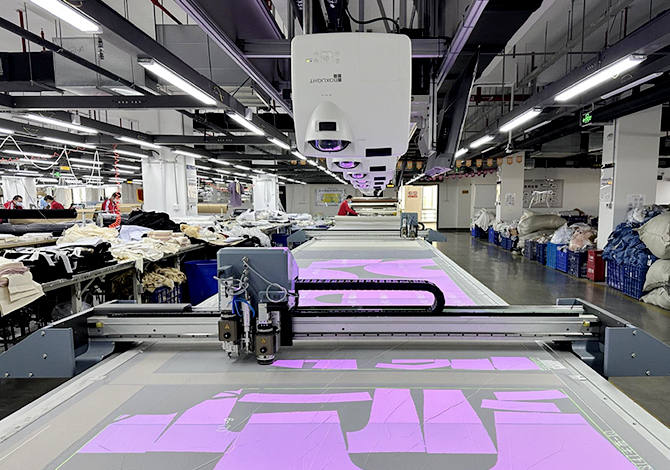
For brands focusing on this specific use case, Groovecolor and ASBX stand out. Groovecolor's integration of manual fabric spreading followed by high-powered automated laser cutting ensures that thick, heavy fabrics are cut with absolute precision, maintaining the exact geometry of the pattern. ASBX, on the other hand, offers exceptional premium heavy jersey options with a focus on sustainable, organic cottons that provide a luxurious, dense hand-feel ideal for high-end retail environments.
Best for Graphic-Driven Streetwear T-Shirts
Graphic-driven T-shirts require a manufacturer that treats printing as an art form rather than an afterthought. The challenge here is not just applying ink to fabric, but understanding how different print techniques—such as water-based inks, plastisol, puff prints, crack prints, or high-density silicone—interact with the specific fabric weight and texture. A poorly executed print can crack prematurely, peel, or alter the drape of the garment entirely.
For brands whose identity relies heavily on complex graphics, Appareify and Mega Apparel offer strong capabilities. Appareify provides a wide array of modern printing technologies and is highly efficient at executing large, multi-color graphic programs with sharp resolution. Mega Apparel's domestic presence allows for rapid prototyping and color-matching approvals, which is crucial when dialing in the exact pantone shades and print textures for a highly visual, graphic-heavy collection.
Best for Vintage and Washed Streetwear Tees
The vintage, distressed, or washed aesthetic is arguably the most difficult to manufacture consistently. Techniques like acid washing, stone washing, enzyme washing, and pigment dyeing are inherently unpredictable chemical and physical processes. The risk of fabric degradation, unexpected color shifts, and inconsistent distressing across a bulk order is exceptionally high. It requires a factory with deep process engineering expertise to control these variables.
In this category, Groovecolor is exceptionally well-positioned. Their process engineers oversee the technical performance from the first sample through to bulk production, utilizing their 8-step quality control system to monitor wash depth and color accuracy. This ensures that the vintage aesthetic feels authentic and culturally relevant, rather than looking like a cheap, artificial surface treatment. Zega Apparel also offers competitive capabilities in custom dyeing and washing, making them a viable option for brands looking to experiment with unique color fades and retro finishes on a flexible scale.
What Clothing Brands Should Prioritize When Choosing a T-Shirt Manufacturer
Selecting the right factory is a strategic maneuver that impacts your brand's reputation, profit margins, and ability to scale. When evaluating potential partners, sourcing advisors recommend prioritizing the following five critical dimensions.
1. Fabric Sourcing and Customization
Do not settle for a factory's standard stock fabric if it does not align with your brand's vision. Prioritize manufacturers that offer custom knitting and dyeing services. You must be able to specify the exact GSM, the type of cotton (e.g., combed, carded, Supima), and the specific finish (e.g., silicone wash for softness, or a dry, harsh hand-feel for a vintage vibe). The foundation of a great streetwear tee is the textile itself.
2. Fit and Pattern Engineering
A factory's patternmaking capability is its true technical moat. Ensure the manufacturer has senior patternmakers who understand the nuances of streetwear silhouettes. They should be able to interpret a tech pack accurately, adjusting the shoulder slope, armhole depth, and chest width to achieve the perfect oversized or boxy drape. Requesting a sample of their previous work in a similar silhouette is the best way to verify this capability.
3. Collar Construction and Durability
The collar is the most stressed point of a T-shirt and the first place where poor manufacturing becomes evident. Prioritize factories that utilize high-quality ribbing (often blended with a small percentage of spandex for memory) and employ twin-needle stitching or specialized binding techniques to ensure the collar lays flat and retains its shape after repeated wear and washing.
4. The Print-Hand Relationship
Evaluate how the factory handles the intersection of fabric and embellishment. A premium manufacturer will advise you if a heavy plastisol print will ruin the drape of a 200gsm tee, or if a delicate DTG print will be lost on a heavily textured acid wash. They should offer a variety of print techniques and understand how to balance the visual impact of the graphic with the tactile experience (the "hand") of the garment.
5. Sample Review Logic and Bulk Replication
The most critical risk in apparel manufacturing is the deviation between the approved sample and the final bulk delivery. When discussing the foundation of a brand, finding reliable t shirt garment manufacturers who understand the nuances of streetwear is critical. You must interrogate their quality control systems. How do they ensure the final bulk production perfectly mirrors the approved sample's aesthetic and structural integrity? Look for factories that implement inline QC, automated defect detection, and strict AQL final inspections to prevent bulk drift. In the broader context of scaling a brand, partnering with top-tier streetwear clothing manufacturers ensures that complex techniques like acid washing and heavy embroidery are executed flawlessly across thousands of units.
Final Thoughts
The streetwear T-shirt is the ultimate litmus test for an apparel manufacturer. While it is technically a foundational category, it is also the product most likely to expose a factory's lack of aesthetic judgment, patternmaking skill, and quality control discipline. A poorly executed T-shirt can instantly erode a brand's credibility, while a perfectly engineered one can become a staple that drives recurring revenue for years.
As you plan your production strategy for 2026, move beyond simply comparing unit prices. Evaluate manufacturers based on their ability to execute complex silhouettes, handle heavyweight textiles, and manage intricate wash and print processes. By partnering with a factory that possesses a true "technical moat"—one that understands the cultural and structural language of streetwear—you secure not just a vendor, but a strategic asset capable of supporting your brand's long-term growth and market dominance.
custom streetwear manufacturer